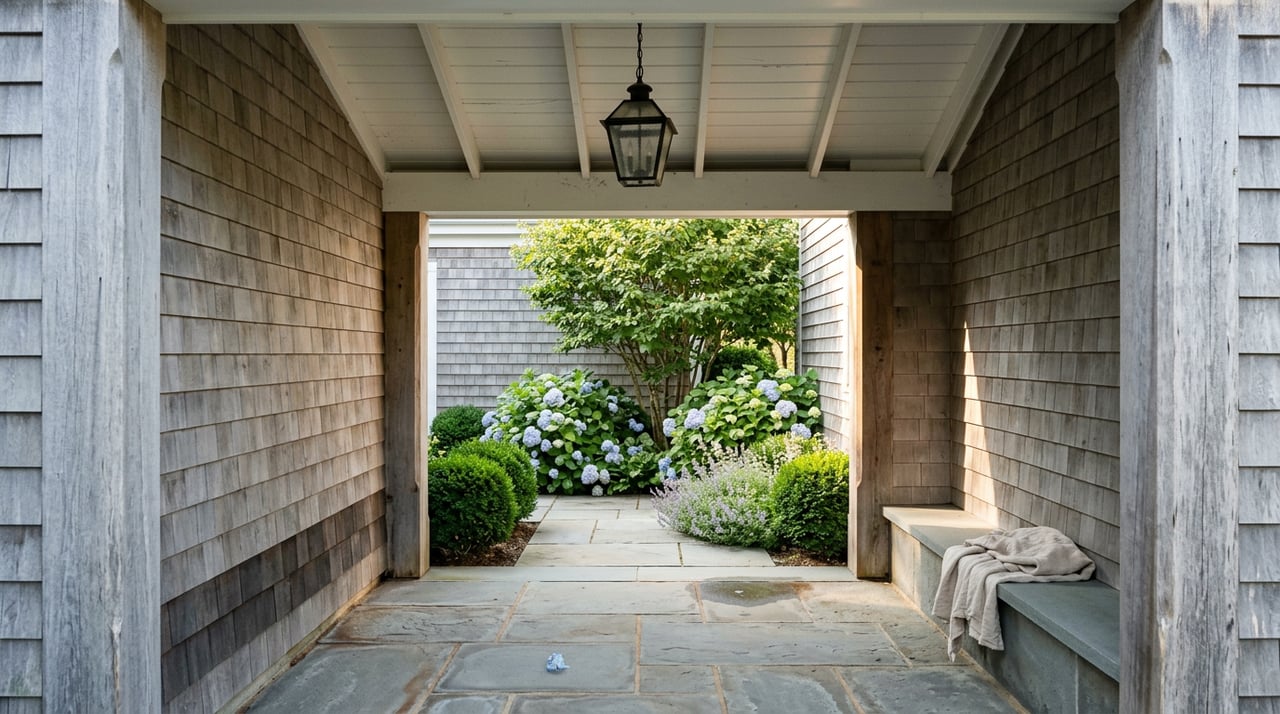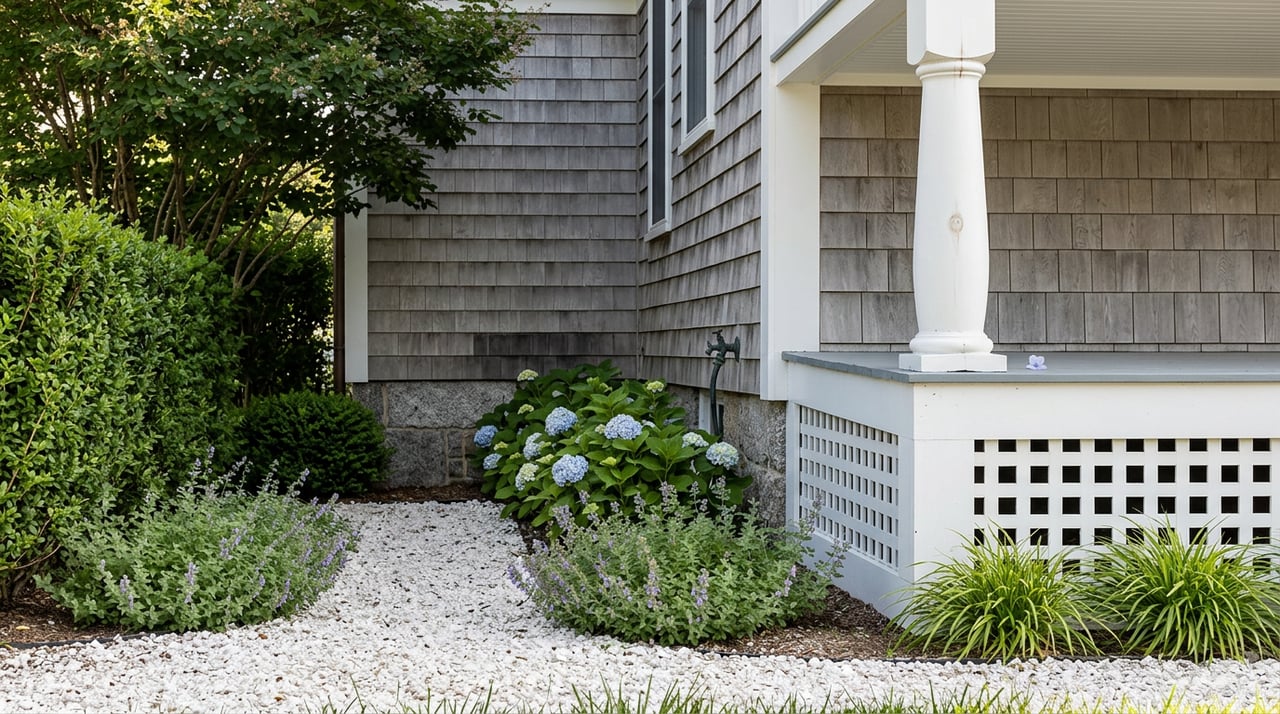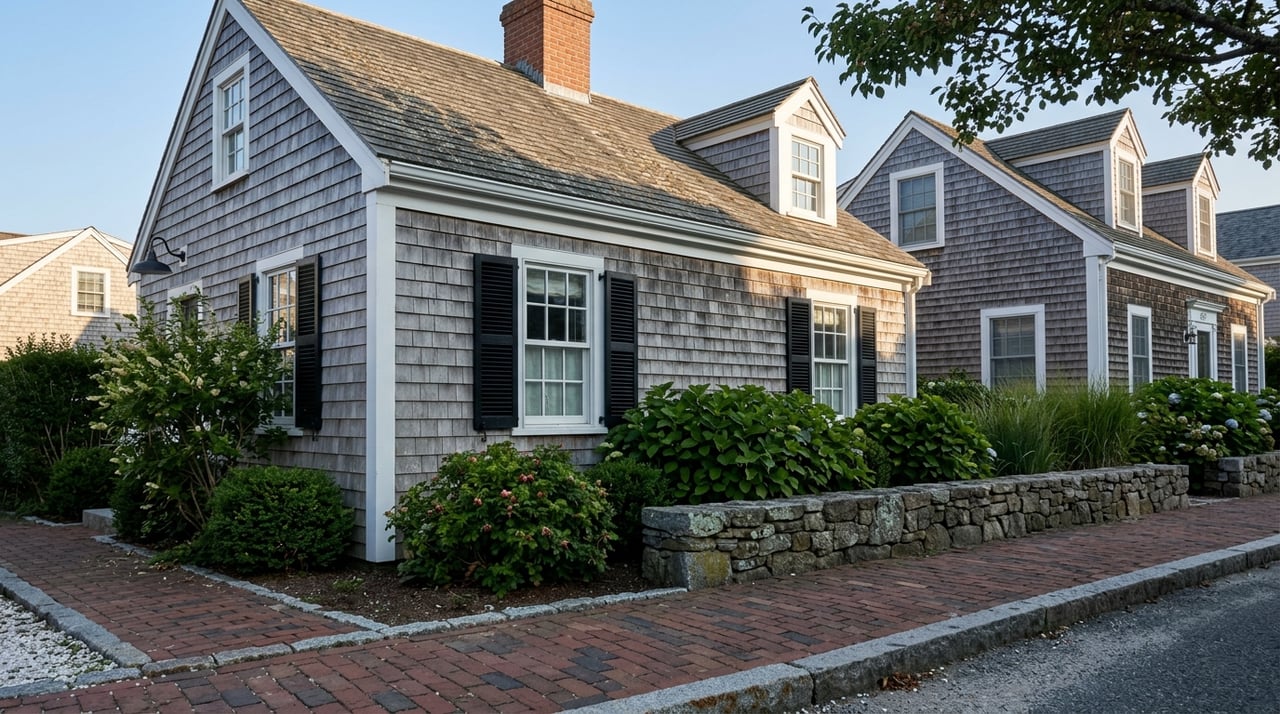
If you picture island life on Nantucket, it is easy to focus on the house first. In reality, your day-to-day experience often starts with the neighborhood, how you get around, how close you are to town or the beach, and how the island changes from July to October. The right fit depends on the rhythm you want, and understanding that can make your search much clearer. Let’s dive in.
Start With How You Want to Live
Nantucket is compact, but it does not live like a typical car-centered market. The island is about 14 miles long and 3.5 miles wide, with more than half of its land preserved or protected and 82 miles of coastline. Local life often revolves around walking, biking, shuttle routes, ferry access, and airport access.
That means your neighborhood choice is about more than scenery. You may want quick access to shops and the harbor, a beach-focused routine, easier airport connections, or a quieter village setting. On Nantucket, the practical fit of an address can matter just as much as the home itself.
Know the Island-Wide Factors
Before you compare neighborhoods, it helps to understand a few island-wide realities that affect daily life. Nantucket Memorial Airport supports year-round access, and ferry service from Hyannis offers both a fast ferry of about 1 hour and a traditional ferry of about 2 hours and 15 minutes. For many buyers, travel logistics shape what feels convenient.
Getting around on-island matters too. Nantucket has more than 35 miles of sidepaths, and the WAVE shuttle network includes some year-round routes and some seasonal routes. If you expect to bike, walk, or use transit often, your location can either simplify your routine or add friction.
Seasonality is another major piece of the puzzle. In summer, guarded beaches can see 6,000 to 10,000 people daily, especially on long weekends and holidays. A location that feels lively and high-energy in July may feel very different in the shoulder seasons.
Choose In-Town for Walkability
If you want the most walkable and amenity-rich lifestyle, in-town Nantucket is often the strongest match. The historic core brings together harbor access, shops, restaurants, museums, inns, and many of the island’s visitor services. It also offers some of Nantucket’s most recognizable streetscapes and architecture.
The town notes that the historic core was designated a National Historic Landmark in 1966, and that designation was later extended to the entire island in 1975. Exterior changes have been regulated by the Historic District Commission since 1955. For buyers, that can add to the sense of place, but it also means the setting carries an extra layer of preservation context.
Architecturally, in-town areas offer a broad range of historic home types. You may find early lean-tos, classic Nantucket houses, Federal, Greek Revival, and Victorian homes. The Fish Lots area west of downtown is one of the island’s earliest historic residential areas and remains relatively dense.
The tradeoff is ease of driving and parking. Downtown is more pedestrian-oriented, sidewalks are not for biking, and the residential parking district is enforced from June 1 through September 30 in defined 2-hour zones. If you plan to keep a car or rely on regular in-town parking during summer, that should be part of your decision.
Choose South Shore for Beach Living
If your ideal Nantucket day starts with sand, surf, and a strong summer rhythm, the south shore deserves a close look. Surfside is one of the island’s most popular beaches, known for its wide, flat beach, rolling surf over sandbars, large parking lot, concession stand, and seasonal bus access from town. For many buyers, this area captures the classic beach-first island lifestyle.
Access is part of the appeal. The Surfside Road Path runs from the high school area to Surfside, and the seasonal NRTA Surfside route supports summer movement from town. If you imagine morning bike rides to the beach or easy summer outings, that kind of connectivity matters.
At the same time, the south shore is one of Nantucket’s more dynamic coastal edges. Town guidance notes that south- and southeast-facing beaches can experience heavy surf and rip currents. Owners should also keep in mind that beach driving permits and seasonal restrictions may apply in some areas, especially where shorebird nesting or erosion affects access.
In other words, beach living here is real, but so are the practical conditions that come with it. Wind exposure, blowing sand, surf conditions, and seasonal access rules are all part of the picture. For the right buyer, those factors are part of the appeal, but they should still be weighed carefully.
Choose Mid-Island for Everyday Ease
Mid-island often appeals to buyers who care most about convenience and function. It offers strong access to businesses, services, the airport, and central routes across the island. If your lifestyle is less about a postcard view and more about efficient day-to-day living, this area can make a lot of sense.
The Old South Road Path connects the Milestone Rotary to Airport Road and passes businesses, Discovery Playground, and access points to the Nantucket State Forest. Local planning work in this corridor has focused on safety, congestion, transit pull-offs, and bike and pedestrian connectivity. That tells you a lot about how this part of the island functions.
The area around Old South Road and Fairgrounds is described by the town as densely settled and mostly year-round, with congestion during peak summer and shoulder seasons. This makes mid-island feel different from the village-like or beach-driven parts of Nantucket. It is often a practical choice for buyers who want central access and everyday utility.
Transit can be another advantage. The WAVE includes year-round Airport service and Mid Island service within its central-island network. If airport access, errands, or a more connected daily routine are high on your list, mid-island may be worth prioritizing.
Choose Siasconset for Village Scale
If you are drawn to a quieter setting with a strong sense of village identity, Siasconset offers something distinct. It is treated by the town and local preservation groups as its own village, with attention to scale, proportion, and character. That gives Siasconset a different feel from in-town Nantucket or the more functional mid-island areas.
The Sconset Advisory Board focuses on preserving the integrity, scale, and proportion of the village. Local preservation material also points to Sankaty Head Lighthouse, village center zoning, and the trail system as part of Siasconset’s identity. For buyers, that context helps explain why the area feels especially layered and place-specific.
Access works differently here as well. The 6-mile Sconset Path links midtown to Siasconset, and the Sconset Bluff Walk offers a public footpath behind private houses. The town notes that the Bluff Walk is narrow and uneven and has no designated parking, which reinforces the area’s path-based, on-foot character.
Siasconset also brings a more direct conversation about coastal exposure. Preservation material notes that bluff erosion has already required some cottages to be moved. If you are considering this area, it is wise to evaluate site exposure, resilience, and long-term property context early in the search.
For a quieter beach routine, east-end options may appeal to you. The town describes Low Beach as one of Nantucket’s quietest and lesser-known beaches, while Sconset Beach is a small village beach with limited parking characteristics. That combination often fits buyers who want a calmer coastal setting and a smaller-scale daily rhythm.
Match the Neighborhood to Your Routine
A good way to narrow your search is to think through your ideal week on Nantucket, not just your ideal photo of Nantucket. Ask yourself where you want to spend most of your time, how often you expect to bike or walk, and whether airport, ferry, or beach access is part of your regular routine. Small details can shape daily life in a big way.
Here is a simple way to think about it:
- In-town may fit you best if you want walkability, harbor access, dining, shops, and strong historic character.
- South shore may fit you best if beach access, surf, and a summer-forward lifestyle are top priorities.
- Mid-island may fit you best if you value practical access to services, transit, and the airport.
- Siasconset may fit you best if you want village scale, a quieter eastern setting, and a strong preservation context.
Check the Details Before You Decide
Once a neighborhood feels right, the next step is to look closely at the property’s specific location. The town advises buyers to check whether a home sits within a parking district, historic district, or neighborhood-specific preservation area. Those details can affect both daily use and future plans.
It is also smart to consider whether your routine depends on seasonal shuttle service, bike paths, or beach vehicle rules. A home that looks close to everything on a map may function very differently depending on the time of year. On Nantucket, location decisions are often about logistics as much as lifestyle.
Choosing the right neighborhood is really about choosing how you want to experience the island. If you want guidance that goes beyond broad impressions and helps you weigh lifestyle, access, seasonality, and long-term value, Becky Becker can help you navigate the options with local insight and a thoughtful, strategic approach.
FAQs
What is the most walkable neighborhood area on Nantucket?
- In-town Nantucket is generally the most walkable option because it offers close access to shops, restaurants, harbor activity, museums, and other services within the historic core.
What should buyers know about south shore living on Nantucket?
- South shore areas like Surfside offer strong beach access and a summer-focused lifestyle, but buyers should also consider surf conditions, wind exposure, sand, and any beach access or vehicle rules.
Why do some buyers choose mid-island Nantucket?
- Mid-island often appeals to buyers who want practical access to businesses, services, transit, and the airport, along with a more functional year-round routine.
What makes Siasconset different from other Nantucket neighborhoods?
- Siasconset has a distinct village identity, a quieter eastern setting, path-based access, and a stronger focus on preservation context and coastal exposure.
How does seasonality affect neighborhood choice on Nantucket?
- Summer crowds, beach activity, seasonal shuttle routes, and parking rules can change how a neighborhood feels and functions, so it is important to think beyond peak-season impressions.
What property details should buyers check before choosing a Nantucket neighborhood?
- Buyers should confirm whether a property is in a parking district, historic district, or preservation area and whether their daily routine will depend on seasonal transit, bike routes, or beach access rules.