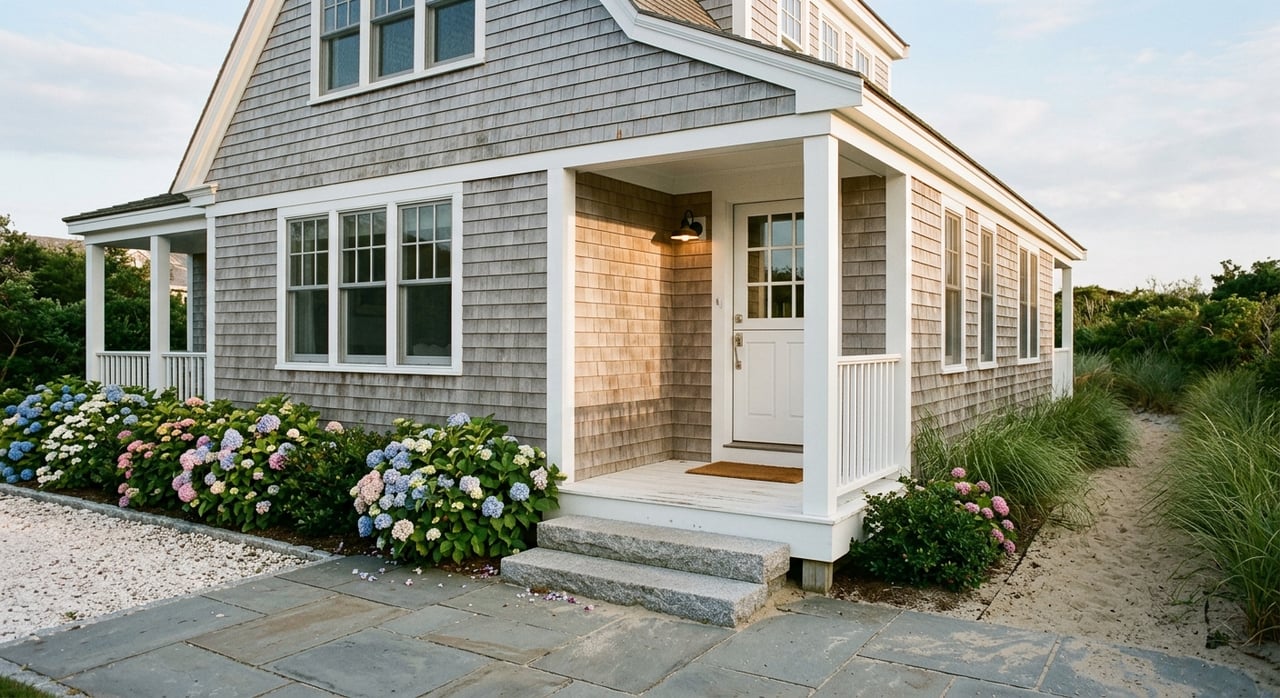
What does it really feel like to own a summer home on Nantucket? For many buyers, the answer is not just about the house itself. It is about stepping into a seasonal rhythm that starts the moment you plan your trip over, settles into beach days and downtown evenings, and shifts gently again after Labor Day. If you are thinking about a second home here, understanding that cadence can help you picture ownership more clearly. Let’s dive in.
Arrival shapes the Nantucket experience
Owning on Nantucket begins with the simple fact that getting here takes intention. The island sits about 30 miles off Cape Cod, and there is no bridge, so your summer routine naturally revolves around ferry schedules, airport timing, and planning ahead.
That is part of the appeal for many homeowners. Arrival feels like a true transition instead of a quick weekend drive. You leave the mainland pace behind and settle into something more deliberate from the very start.
The Steamship Authority offers a seasonal high-speed passenger ferry that takes about one hour, along with a traditional car and passenger ferry that takes about 2 hours and 15 minutes. Hy-Line also runs frequent daily departures, with as many as nine sailings in summer, giving owners and guests several options to build around.
Because parking can be difficult during high season, many people leave their cars on the mainland. Nantucket is small and walkable in many areas, which means your daily routine may become less about driving everywhere and more about walking, biking, or planning shorter local trips.
Summer life happens outdoors
Summer on Nantucket revolves around being outside. Longer days, ocean breezes, waterfront activity, and outdoor dining all shape how you spend your time here, and that gives ownership a very different feel from life at home.
The Town describes summer as a season of island energy, festivals, and activity, while year-round staff continue maintaining public spaces, transportation, infrastructure, and beach access. That ongoing work matters because summer use is significant, especially at the beaches.
If you own a home here, outdoor habits often become the anchor of your day. Mornings may start with a walk, beach check, or coffee in town. Afternoons might center on the water, and evenings often turn into dinners downtown or time outside at home.
Beaches define your weekly rhythm
One of the clearest parts of Nantucket summer ownership is beach rotation. Different beaches fit different moods, and over time, many owners develop their own familiar pattern.
Jetties Beach for easy access
Jetties Beach is one of the island’s most accessible public beaches. It offers shallow water, sandbars, lifeguards, a large seasonal boardwalk, a restaurant, cafés, restrooms, shops, and a playground.
That mix of amenities makes it easy to build a full day around. It also hosts major summer gatherings, including the Boston Pops event and July 4 fireworks, which adds a community tradition to the beach calendar.
Children’s Beach near downtown
Children’s Beach offers a different kind of routine. Located close to downtown, it combines beach access with a park setting that includes a playground, bandstand, picnic tables, and a concession stand.
For owners who enjoy being near town, this kind of location makes it easy to mix a beach stop with errands, lunch, or an evening walk through the historic district. It is one example of how Nantucket’s small scale shapes daily life.
Surfside for classic summer energy
Surfside is one of Nantucket’s most popular beaches, known for its wide, flat shoreline and rolling surf over sandbars. Summer lifeguards and a concession stand help make it a comfortable part of many owners’ weekly routine.
It also reflects an important truth about island living. Beach time here is not one-size-fits-all. The beach you choose often depends on weather, surf, tides, parking, and what kind of day you want to have.
Ownership includes planning and stewardship
A summer home on Nantucket comes with responsibility as well as enjoyment. The Town requires annual beach stickers for vehicles, and beach driving may be restricted at times due to protected species or erosion.
Public beach rules also prohibit alcohol, smoking, and glass. These details may seem small, but they shape how ownership works in practice. Life here involves planning around parking, beach access, conservation, and shared public spaces.
That stewardship mindset is part of what keeps Nantucket recognizable year after year. The Town’s summer guidance asks residents and visitors to pack in and pack out, recycle responsibly, follow parking signage, drive and bike safely, and respect protected species.
For many owners, this becomes part of the island rhythm too. You are not just enjoying a destination. You are participating in the care of a small, heavily used, environmentally sensitive place.
The island feels small in the best way
Nantucket is about 14 miles by 3.5 miles, and that scale shapes the experience of owning here. You can move between beach, town, trails, and home without feeling like your day is spent in transit.
That compact layout helps create the repeatable habits that make a summer home feel meaningful over time. Instead of chasing a packed itinerary, you often find yourself returning to the same favorite places in a way that feels grounding rather than repetitive.
The island also has more than 50% conservation land and 82 miles of beaches that are largely open to the public. The Land Bank adds 40 miles of trails and nearly 6 miles of shoreline for activities like hiking, cycling, fishing, boating, golf, and playground time.
This gives summer ownership a broader rhythm beyond the beach. Your routine might include a trail walk one day, a harbor-focused afternoon the next, and a quiet bike ride or downtown dinner later in the week.
Downtown remains part of the pattern
Even if beach days are central, town life remains an important part of the Nantucket experience. The Chamber highlights cobblestone streets, Main Street shops, galleries, and restaurants, all of which help define the island’s everyday summer character.
For homeowners, this often means your lifestyle is not split between isolated house time and beach time. Downtown is woven into the pattern, whether that means dinner, browsing shops, meeting friends, or simply taking an evening walk.
That balance is one reason a Nantucket summer home can feel so different from a more secluded vacation property. You get access to both private home life and a shared seasonal community rhythm.
After Labor Day, the pace changes
One of the most important things to understand about owning a summer home on Nantucket is that the island changes after Labor Day. It does not shut down, but it does become quieter and more seasonal in a different way.
The Town notes that many restaurants close for the winter, though some remain open, and Visitor Services tracks openings week to week between Labor Day and June 1. That shift means off-season ownership feels less like nonstop resort activity and more like a smaller, calmer island pace.
For some homeowners, that quieter period is part of the value. The calendar narrows into more distinct seasonal traditions, including spring events like the Daffodil Festival and holiday celebrations later in the year.
In that sense, owning here is not only about peak summer. It is also about returning to a place with recognizable rituals and a changing seasonal character that feels consistent over time.
A summer home becomes a set of rituals
The real appeal of a Nantucket summer home is often the routine it creates. Ferry arrivals, unpacking for the weekend, choosing the day’s beach, walking into town for dinner, and revisiting familiar outdoor places all become part of your family’s seasonal memory.
That is what makes ownership feel different from a one-time vacation. The emotional value is tied to repetition, place recognition, and the comfort of returning to the same island patterns year after year.
For buyers considering Nantucket, it helps to think beyond square footage or a single summer snapshot. The better question is whether you want to step into this kind of recurring island life, where planning, stewardship, and outdoor routines are as much a part of ownership as the property itself.
If you are exploring what summer-home ownership could look like on Nantucket, working with a local team that understands both lifestyle fit and property strategy can make the process much clearer. Becky Becker offers thoughtful guidance for buyers, sellers, and owners considering how to make the most of island living.
FAQs
What is daily life like when owning a summer home on Nantucket?
- Daily life often revolves around planned arrivals, beach time, outdoor activities, downtown dinners, and repeat visits to favorite island spots.
What should buyers know about getting to Nantucket for a summer home?
- Nantucket has no bridge, so travel depends on ferry schedules or flights, and many owners plan ahead carefully during the busy summer season.
What public beach rules matter for Nantucket summer homeowners?
- Owners should know that annual beach stickers are required for vehicles, some beach driving may be restricted, and alcohol, smoking, and glass are prohibited on public beaches.
What changes on Nantucket after Labor Day for summer homeowners?
- After Labor Day, the island becomes quieter, many restaurants close for the winter, and ownership often feels more local and seasonal than peak-summer busy.
Why does Nantucket summer ownership feel different from other vacation markets?
- Nantucket ownership is shaped by the island’s small size, walkable town areas, conservation focus, beach-centered routines, and strong seasonal rhythm.