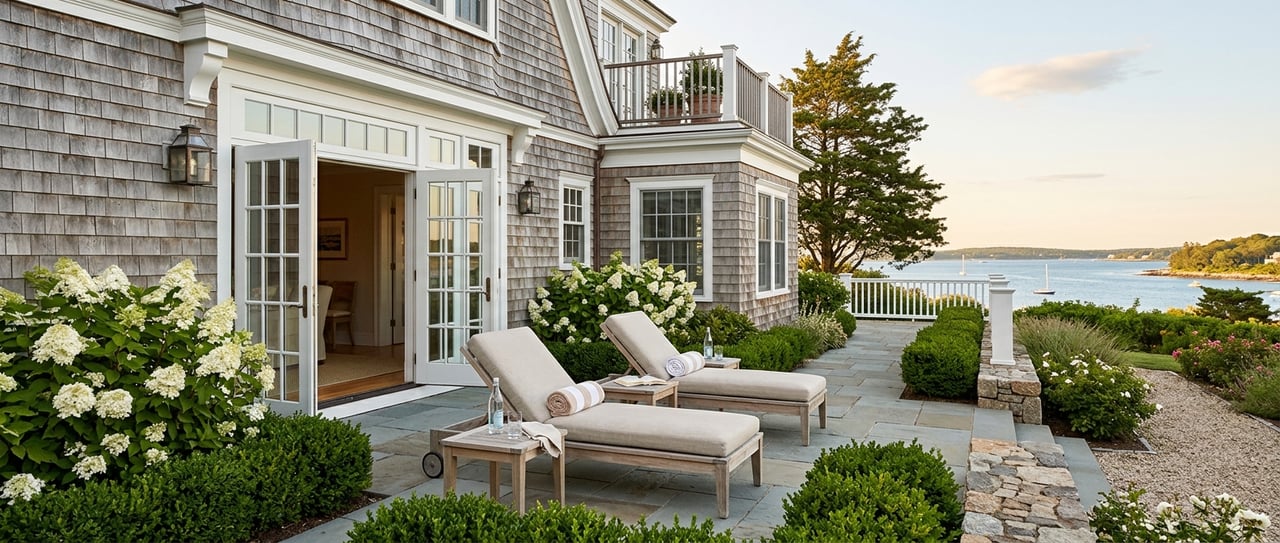
If you are selling in Siasconset, you are not just listing a house. You are presenting a property within one of Nantucket’s most distinctive and preservation-minded settings, where buyers notice the details inside the home and the way it fits into the village around it. With the right preparation, you can make your home feel polished, effortless, and true to place. Let’s dive in.
Why Siasconset presentation is different
Siasconset has a character all its own, and luxury buyers tend to respond to that immediately. The village sits within Nantucket’s National Historic Landmark district, and the Sconset Old Historic District receives extraordinary consideration for preserving scale, proportion, and streetscape.
That matters when you prepare your home for market. In many places, sellers can focus on surface updates alone. In Siasconset, buyers are often weighing the architecture, the setting, the landscape, and the story of the property as one complete experience.
The wider island lifestyle also shapes buyer expectations. Nantucket describes itself as a premier summer retreat with cosmopolitan appeal, public beaches, conservation land, dining, galleries, and inns, so your listing presentation should connect the home to that broader sense of place.
Start with the story of the home
Luxury buyers in Siasconset are rarely looking for a generic property. They are often drawn to homes that feel rooted in the village, whether that comes through architectural detail, ownership history, or the way a house sits on its lot.
The ’Sconset Trust notes that homeowners can commission house histories that highlight architectural features, ownership, evolution, and significant events. For some sellers, that kind of background can help shape how the property is presented and discussed.
This does not mean your marketing should feel overly sentimental or academic. It means your home should be introduced with clarity and intention, so buyers understand what makes it memorable beyond square footage alone.
Focus on turnkey appeal
High-end buyers are often drawn to homes that feel ready to enjoy. Broad luxury market research points to strong interest in turnkey condition, outdoor living, privacy, and reduced renovation risk.
In Siasconset, turnkey does not mean stripped of character. It usually means the home feels well maintained, thoughtfully edited, and easy to step into from day one.
Your goal is to help buyers picture an immediate island lifestyle. The less mental work they have to do during a showing, the more likely they are to focus on the home’s best features.
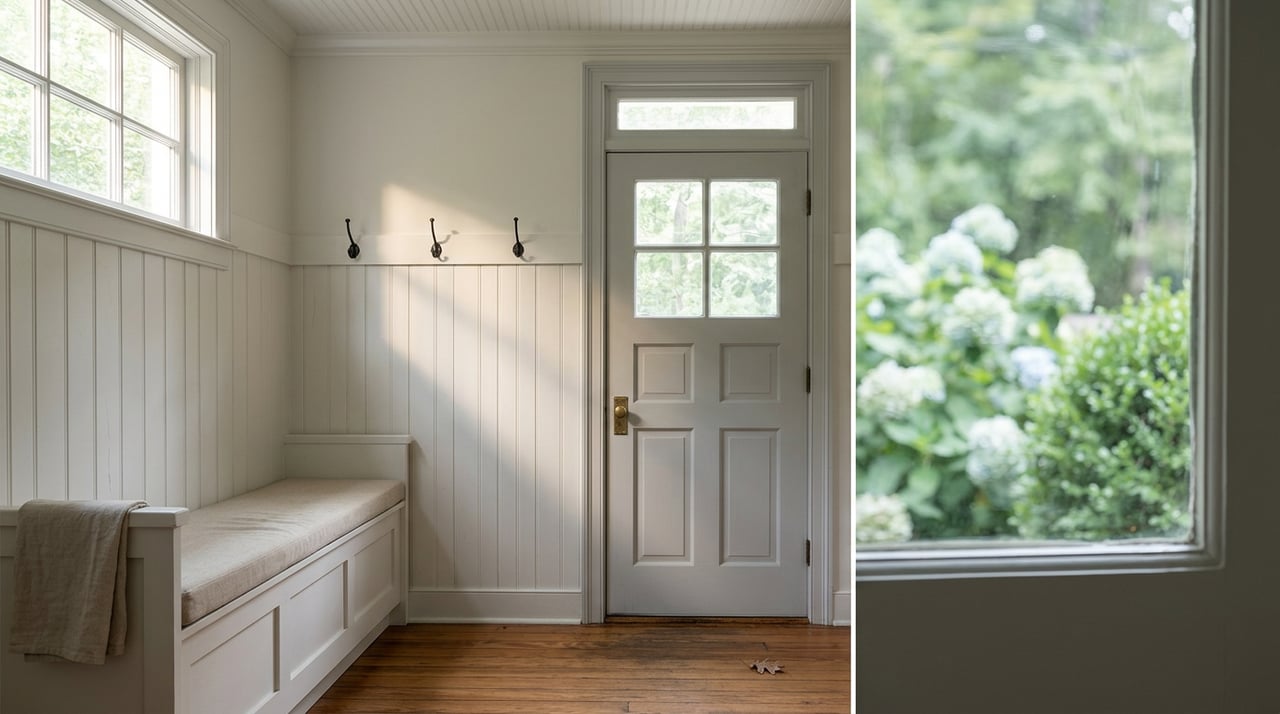
Stage the rooms that matter most
Not every room carries the same weight during a showing. According to the 2025 staging survey from the National Association of Realtors, the living room, primary bedroom, and kitchen are the spaces buyers’ agents most often identified as important to stage.
For many Siasconset homes, the dining area and outdoor living spaces also deserve close attention. Buyers are often imagining summer meals, long weekends, and easy entertaining, so these areas should feel inviting and functional.
A strong staging plan usually includes:
- A living room with comfortable scale, open sightlines, and minimal visual clutter
- A kitchen with clear counters, strong lighting, and a clean, ready-to-use feel
- A primary bedroom that feels calm, simple, and restful
- A dining area that suggests easy hosting without feeling formal or crowded
- Outdoor spaces that read as true extensions of the home
Keep the palette restrained and let natural light do the work. In a village setting like Siasconset, understated presentation often feels more refined than overdesigned rooms.
Elevate outdoor living spaces
In Siasconset, outdoor areas are not secondary. They are part of the core value buyers are considering.
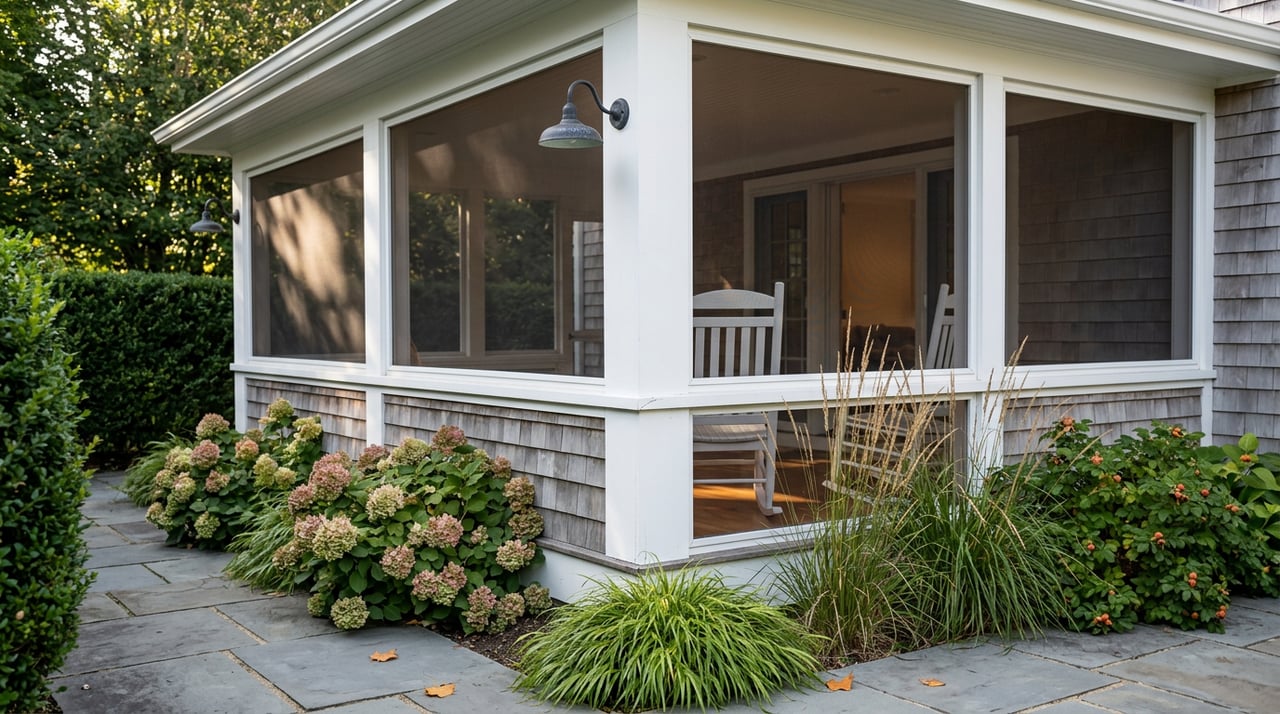
The village is closely tied to walking, beach access, dunes, porches, gardens, and open-air living. Features like the Sconset Bluff Walk, the Sconset Path, and Low Beach reinforce how strongly the landscape shapes daily life, so terraces, porches, lawn edges, and garden rooms should be prepared as intentional living spaces.
That may mean setting a porch for morning coffee, editing patio furniture so it feels spacious, or trimming plantings to improve flow in photos. Buyers should see how the exterior supports the lifestyle they came to Nantucket for.
Make the exterior feel crisp and cared for
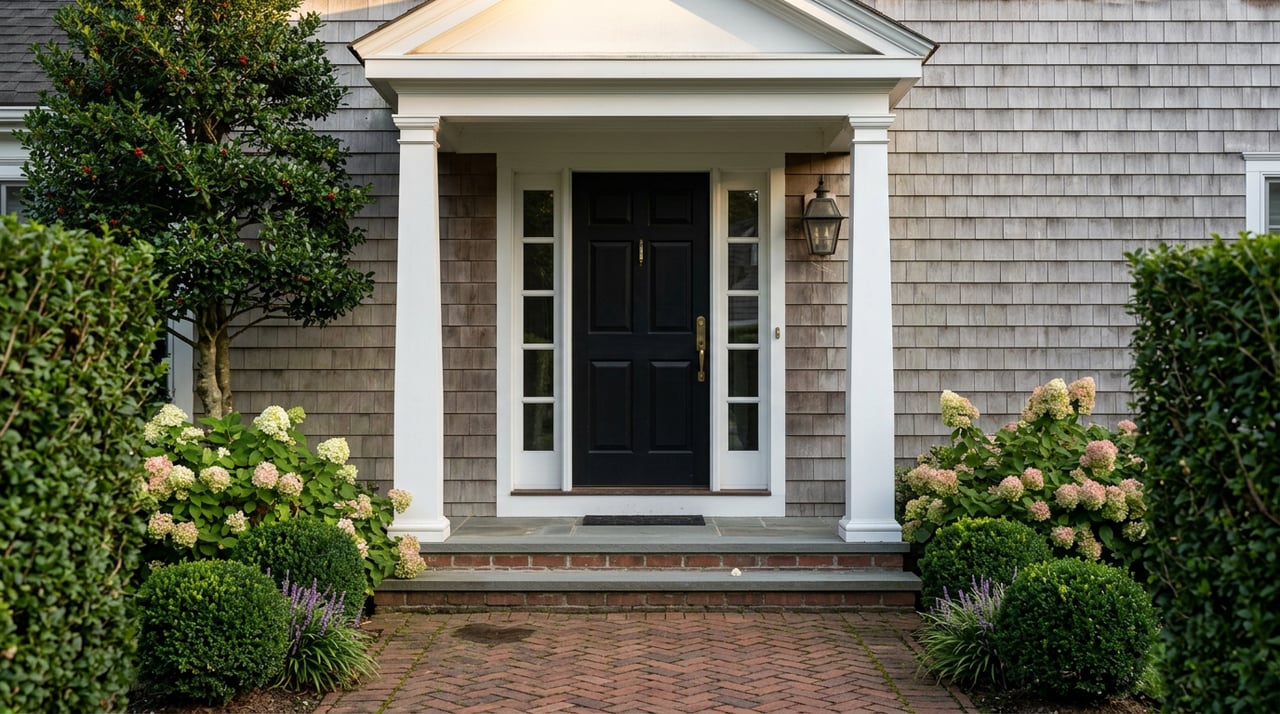
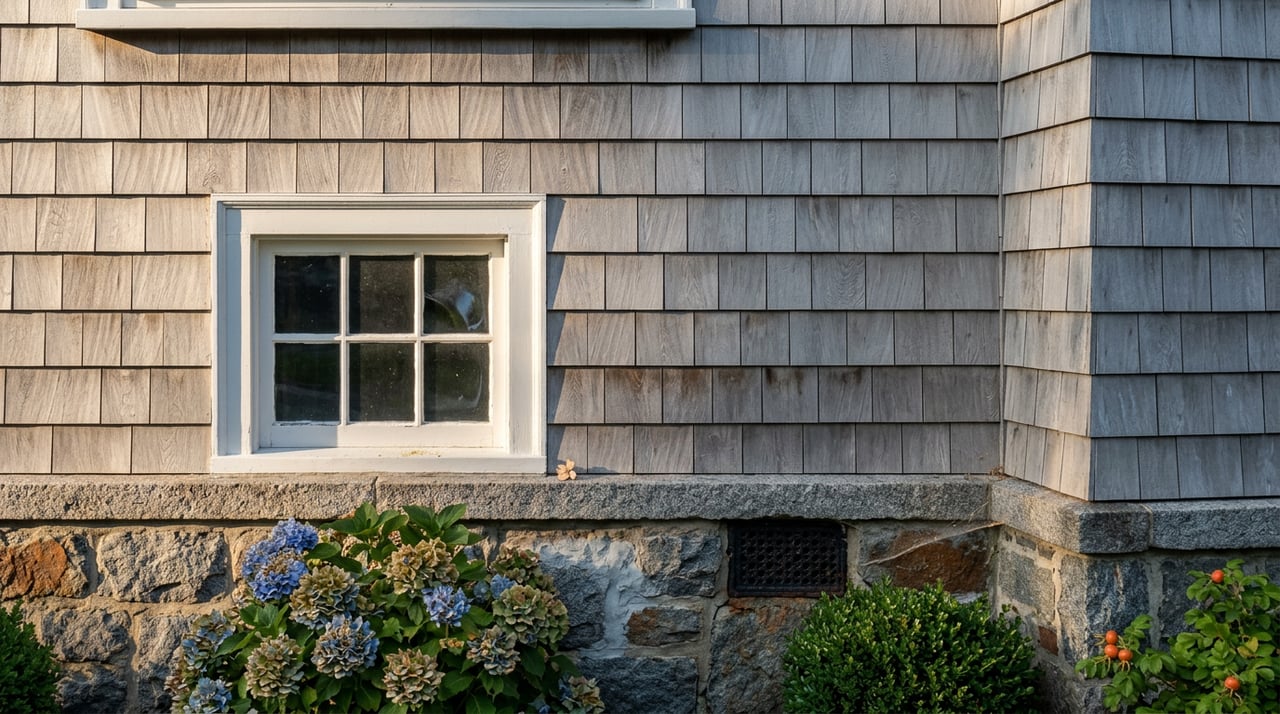
First impressions carry a lot of weight in a historic village. Clean trim, tidy paths, maintained hedges, and balanced garden edges can make a home feel calmer, larger, and more complete before a buyer even steps inside.
This is especially important in Siasconset because exterior condition is highly visible. Buyers may notice approach, view corridors, and how the home sits within the streetscape just as much as they notice interior finishes.
Preparation here is usually about maintenance, not dramatic change. A well-kept exterior signals stewardship, and stewardship is a meaningful part of value in a place like Siasconset.
Plan exterior changes carefully
If you are considering updates before listing, start early. Nantucket requires Historic District Commission review for exterior alterations that affect architectural features, and the Sconset Advisory Board helps guide preservation goals for the village.
That means last-minute exterior changes can create delays or complications. For most sellers, the best pre-listing strategy is to focus first on maintenance, repair, and presentation steps that respect the home’s existing character.
A thoughtful local plan can help you avoid spending time or money in ways that do not improve marketability. In Siasconset, the right prep is often more about precision than scale.
Time photography and showings strategically
Seasonality matters on Nantucket, but it is not as simple as listing only in summer. The island’s late spring through early fall window can be especially effective for photography and showings because gardens, porches, and outdoor rooms tend to look their best, and island activity is high.
The town notes that summer brings busy beaches, outdoor dining, festivals, and community events. Visitor patterns also increase sharply in July and August, which can help buyers experience the lifestyle around the home.
At the same time, fall should not be overlooked. Official town market insights showed strong October activity in both 2024 and 2025, including meaningful contract and sales volume late in the year.
For sellers, the takeaway is simple: your best timing depends on both presentation and strategy. If your outdoor spaces are a major selling point, prime-season visuals may matter most, even if the eventual buyer arrives in fall.
Use market conditions to support confidence
Serious buyers pay attention to market context, and strong data can reinforce a well-prepared listing. Through October 31, 2025, Nantucket reported 342 property transfers totaling $1.488 billion, with an average sale price of about $5.03 million, a median sale price of $3.47 million, 147 active listings, and four months of projected absorption.
October 2025 alone included 65 transactions and nine sales above $10 million. That kind of activity shows that qualified buyers are active in the upper end of the market and not only during peak summer weeks.
For a Siasconset seller, this supports a more nuanced approach. You do not need to rush to market before your home is ready, but you also should not assume buyer interest disappears after August.
Address bluff-side concerns directly
If your home is near Baxter Road or the bluff, buyers are likely to ask more detailed questions. The town states that the area has experienced periodic erosion and that sea level rise and stronger storms are expected to increase risk over time, with ongoing planning related to access and infrastructure.
For these properties, clear documentation and direct communication matter. Buyers may want to understand condition, resilience, current access considerations, and how the property has been maintained.
This is not a topic to avoid. For bluff-adjacent homes, transparency can build trust and help serious buyers evaluate the opportunity with confidence.
Create a presentation plan that feels effortless
The best luxury listings rarely feel busy or overworked. They feel calm, complete, and easy to understand.
In practical terms, that often means:
- Editing furnishings so rooms feel open and purposeful
- Maximizing natural light for photography and showings
- Preparing the exterior with careful maintenance
- Giving outdoor rooms the same attention as interior spaces
- Highlighting the home’s architectural and village context
- Planning around local review requirements for visible changes
- Timing visuals to capture the property at its seasonal best
In Siasconset, the strongest presentation usually balances two goals at once. It helps your home compete in the luxury market while preserving the character that makes it special in the first place.
If you are preparing to sell in Siasconset, thoughtful presentation can shape everything from first impressions to final pricing conversations. For tailored guidance on timing, staging, storytelling, and market strategy, connect with Becky Becker.
FAQs
Which rooms should you stage when selling a Siasconset home?
- The living room, primary bedroom, and kitchen deserve the most attention, with dining areas and outdoor spaces also important for many Siasconset listings.
When should you photograph a Siasconset home for sale?
- Late spring through early fall is often ideal because gardens and outdoor living spaces show well, though fall can still be an active time for Nantucket sales.
Do exterior updates on a Siasconset home need approval?
- Yes, exterior changes that affect architectural features in the historic district require review by Nantucket’s Historic District Commission.
Why do outdoor spaces matter so much for Siasconset buyers?
- Buyers are often responding to the full village lifestyle, including porches, gardens, beach access, walking routes, and the home’s connection to the surrounding landscape.
Should you discuss bluff erosion when selling near Baxter Road in Siasconset?
- Yes, for bluff-adjacent properties, buyers are likely to care about erosion, resilience, and access planning, so clear information can help build trust.